International Translation Day 2026
Linguistic Diversity and Language Rights: The Power of Being Understood
Add to calendar



What is the goal of this year’s International Translation Day?
UNESCO and Translation Commons are convening this virtual event in collaboration with Indigenous organizations and community leaders to celebrate International Translation Day (September 30, 2026), with special emphasis on Linguistic Diversity and Language Rights.
This year’s theme, Linguistic Diversity and Language Rights: The Power of Being Understood, is explored within the context of the International Decade of Indigenous Languages (2022–2032), proclaimed by the UN General Assembly in December 2019. The event brings together linguists, members of the Global Task Force for Making a Decade of Action for Indigenous Languages, artists, activists, interpreters, and more, to foster dialogue on what it truly means to be understood and how translation and interpretation act as a vital bridge protecting the rights of Indigenous Peoples facing structural disadvantage and linguistic marginalization. The event highlights how translation, interpretation, and language access help protect linguistic diversity and support Indigenous language revitalization.
Students, educators, speakers of Indigenous languages, language advocates, policymakers, and all interested parties are encouraged to attend.
Event program at a glance
Language is not only a tool for communication, it is also a vessel for identity, culture, and belonging. When people cannot access education, justice, healthcare, or political participation in their own language, their fundamental rights are at risk. This event explores the political, social, and technological dimensions of linguistic diversity, centered on one question: How do translation, interpretation, and language rights ensure the right to be understood for Indigenous communities?
Opening Keynote: “Rights, Policy, Social Justice and Language Preservation”
Sets the stage by unpacking what “linguistic diversity” means for Indigenous communities, examining the political and legal frameworks that determine whether language rights flourish or are suppressed, and introducing how AI-assisted tools can help protect and amplify these rights.
Theme 1: “Identity, Culture, Human Experience and Language Revitalization”
Foregrounds lived experience through direct community case studies, examining what’s at stake when a language is endangered and how communities sustain, reclaim, and revitalize it, including the challenges of colonial assimilation policies, institutional gaps, and digital exclusion.
Theme 2: “Technology, Translation and the Future of Linguistic Diversity”
Looks ahead at how digital tools, AI-assisted translation, and multilingual language technologies can either threaten or sustain linguistic diversity, advocating for “variety-aware” language technologies built to support, not flatten linguistic variation, with a focus on community-controlled, low-resource language technology.
Closing Keynote: “When Languages Die, Wisdom Is Lost Forever”
Closing Address
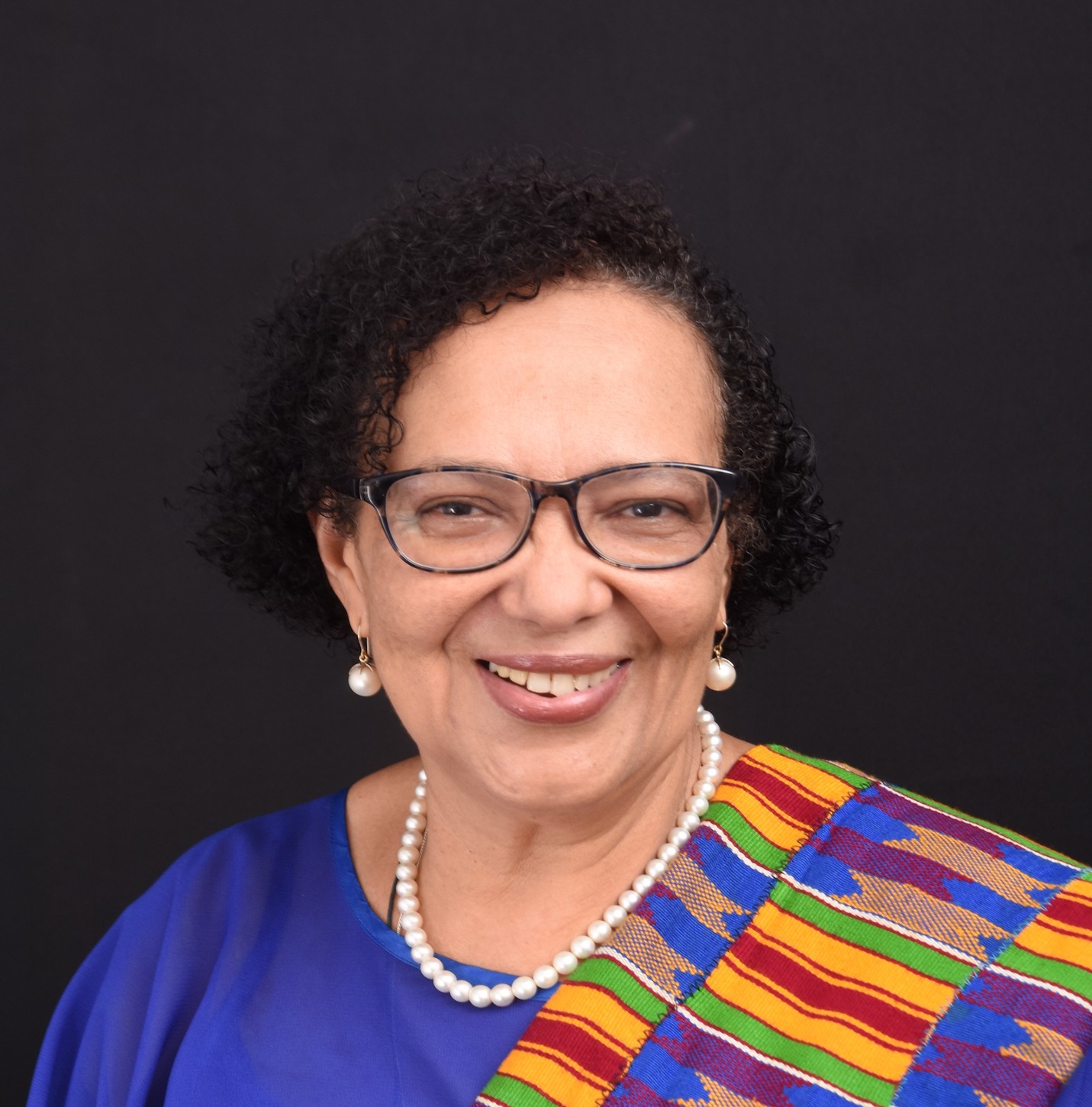
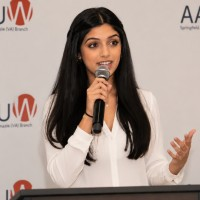
Meet the Speakers







Contributors
Translation Commons is sincerely grateful to all our behind-the-scenes volunteers, whose skills, time, passion, and generosity brought this event to life. Our speakers generously shared years of experience to shed light on the vital and often overlooked realities of Indigenous languages across the modern world. Our hosts and session moderators kept every conversation grounded and flowing, guiding speakers and audiences alike through the program. Our partners offered the guidance and infrastructure that made this program possible from the very start. We are truly honored to have worked with all of you, thank you for your contributions.