Who We Are
We’re a diverse team of industry veterans and early-career engineers. Up-and-coming professionals include students, recent graduates, and career changers building their portfolios by applying their skills toward impactful projects.
What brings us together is a shared belief that technology can reduce the institutional barriers keeping digitally marginalized language communities offline—and that writing good code is one way to help change that.
What We’re Here To Do
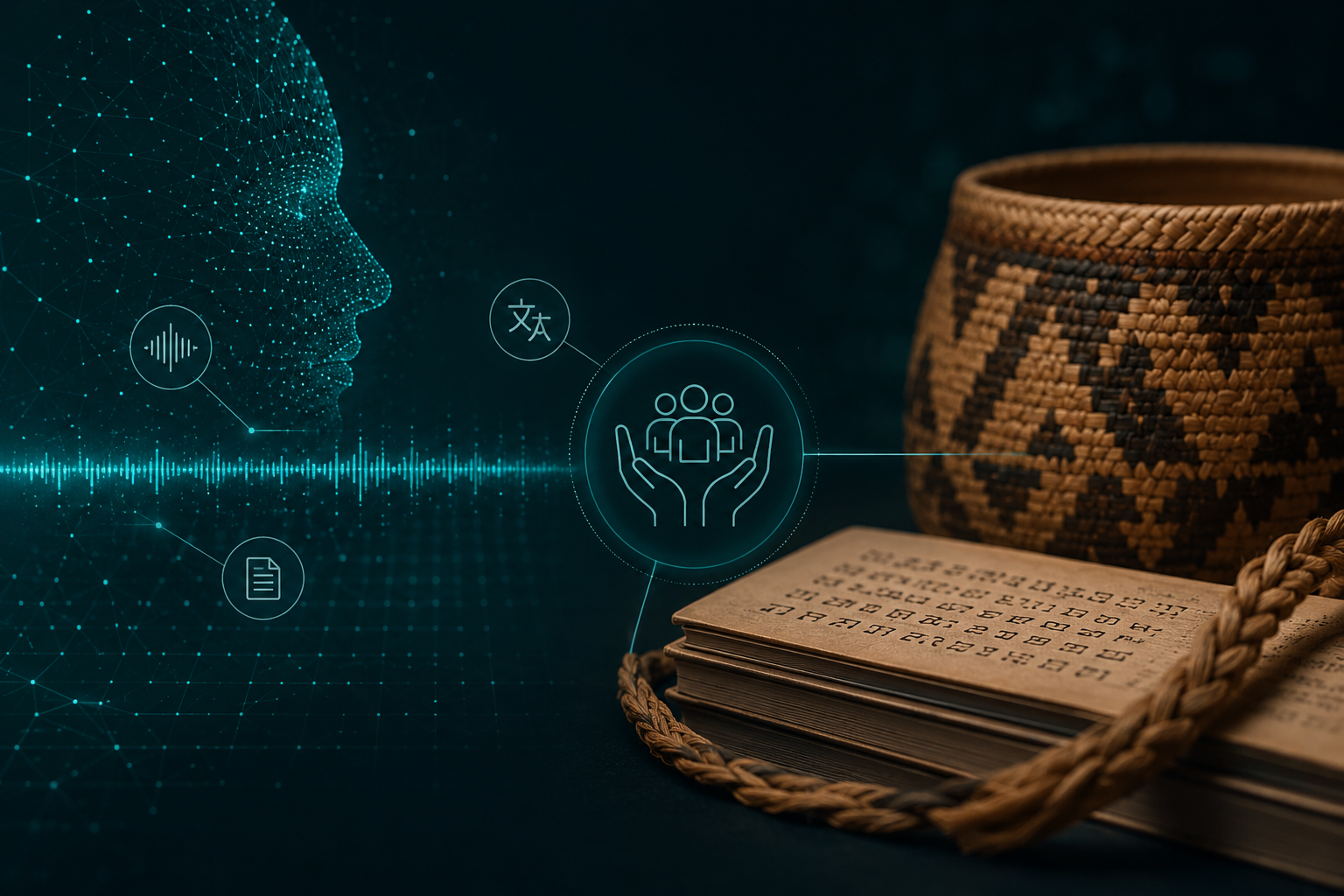
Innovate with AI
We build AI-powered tools for language digitization, exploring how AI can unlock possibilities at scale while staying mindful of its limitations. We practice responsible AI by respecting Indigenous data sovereignty, prioritizing authentic data, and avoiding fabricated outputs, all while contributing engineering-driven solutions to TC’s mission.
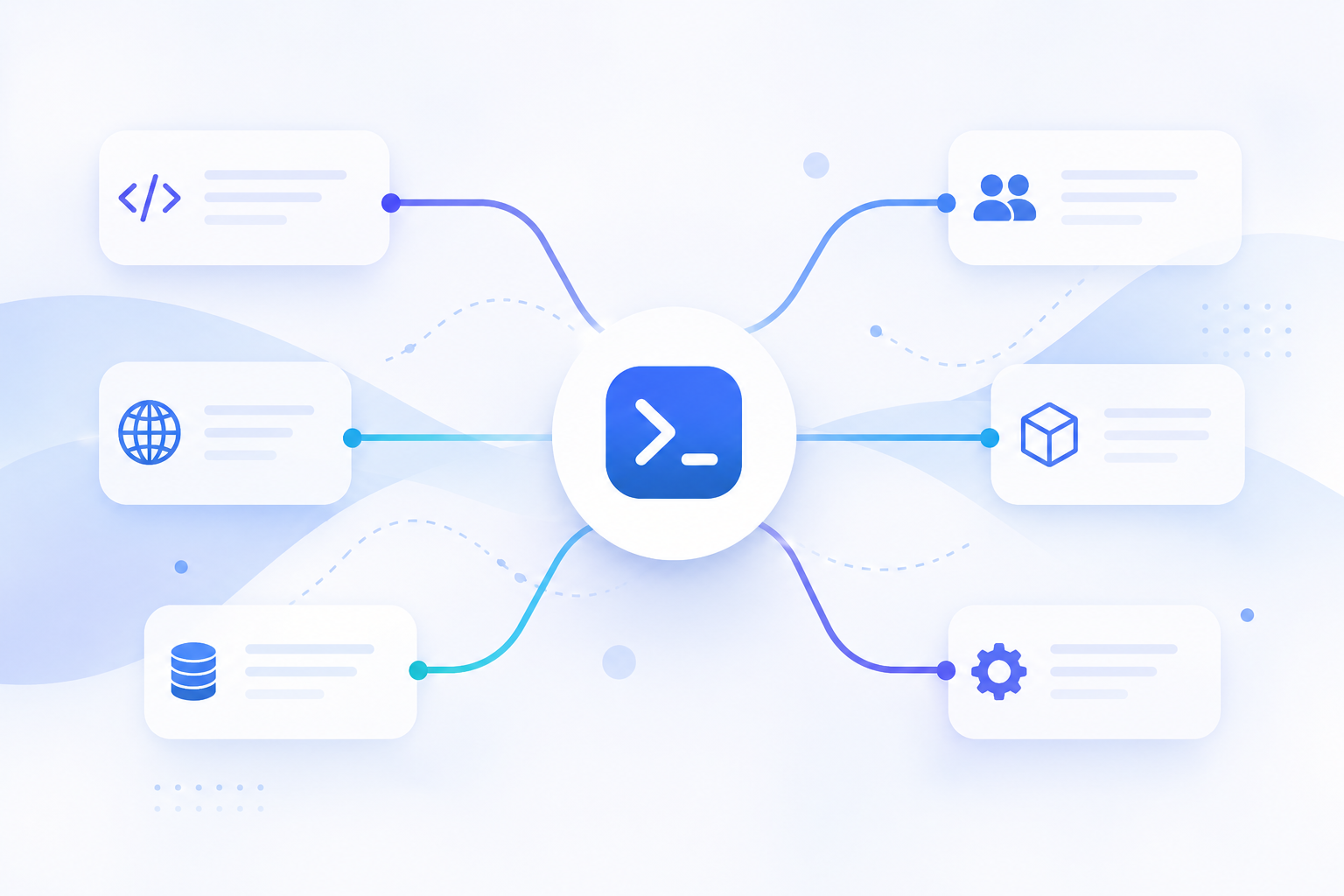
Support Teams Across TC
We develop localization engineering systems and workflows across teams, solving technical challenges that span localization, data, and product. Wherever there’s a hard problem at Translation Commons, engineering is here to help tackle it.

Grow the Next Generation of Engineers
We train volunteers to take ownership of their work, self-manage tasks, and actively contribute to open-source language technology projects, not just completing tickets, but leading initiatives and contributing to TC’s vision.
What We’re Building
Language Navigator (LangNav)
The problem: Researchers, policymakers, and communities need authoritative data about the world’s languages, and it doesn’t exist in one place.
What we build: An AI-powered language technology platform with data on over 40,000 languages, dialects, language families, and locales. We prioritize actionable insights through intuitive search and interactive tools that surface related information and trusted source data.
Explore LangNavKeyboards
The problem: Communities are unable to connect online or create content in their own language without keyboard support.
What we build: Custom digital keyboards for digitally disadvantaged communities designed and published in partnership with the communities themselves, following Unicode and CLDR standards.
Explore KeyboardsLinguist Tools (Morphy)
The problem: Documenting languages with complex grammar like Cherokee requires computational tools that do not yet exist.
What we built: Morphy, a morphological generator and parser for Cherokee verb morphology, plus a NoSQL database for linguistic data and grammatical features.
Coming SoonVolunteer Tracking (VolTrack)
The problem: Managing hundreds of volunteers across time zones with spreadsheets does not scale.
What we build: A system to automate onboarding, filter applicants, and track volunteers, helping scale contributor networks and support linguistic communities.
Coming SoonWebsite
The problem: TC’s resources need to reach communities in their own languages, and the website is the front door.
What we build: A multilingual WordPress platform with custom templates, localization plugins, and SEO infrastructure that makes TC’s work discoverable worldwide.
Visit the WebsiteLocalization Engineering (L10n)
The problem: Translation workflows involve many moving parts and need to be faster, smarter, and more consistent.
What we’re building: A team focused on improving translation workflows including Smartcat optimization, terminology management, and ML-powered localization tools.
Learn MoreOpen Source Contributions & Technical Impact
Translation Commons engineers contribute to open-source language technology that serves communities worldwide. From Unicode-compliant keyboards to AI-powered language tools, our work extends beyond TC’s own platforms—building technical infrastructure that the broader language digitization ecosystem can build on.
LangNav
An open, AI-powered language technology platform cataloguing over 40,000 languages, dialects, language families, and locales freely accessible to researchers, policymakers, and communities.
Unicode & CLDR-compliant keyboards
Custom digital keyboards built to Unicode and CLDR standards, co-developed with digitally disadvantaged communities to enable online participation in their own language.
Benefits of Being a Team Member
Students & Recent Graduates
Build a portfolio of real-world engineering experience through deployed projects.
Leverage opportunities like OPT to gain practical experience and industry exposure.
Get a letter of recommendation from an engineering lead with industry credibility.
Add LinkedIn badges that reflect genuine technical contributions.
Career Switchers
Gain hands-on experience across frontend, backend, data, and machine learning with mentorship from experienced engineers.
Work at your own pace (minimum 10 hours/week) while transitioning into a new career path.
Contribute to open-source language technology projects used by real communities worldwide.
Senior Engineers
Mentor the next generation of engineers and help shape impactful technical careers.
Take technical leadership for sub-teams or major engineering initiatives.
Contribute to global collaborations with organizations like UNESCO, the Unicode Consortium, and indigenous communities including the Cherokee Nation.
Apply your AI, data, and localization engineering expertise where it creates meaningful global impact.
What drew me to Translation Commons was the chance to combine my passion for technology with a mission that makes knowledge and opportunities more accessible across languages and cultures. Working alongside passionate volunteers from around the world has strengthened my leadership skills and shown me how technology can help create accessible digital spaces that connect and empower diverse communities.
When I joined Translation Commons, I started on the Morphologizer project and the work was immediately fascinating. During a team meeting, I had the chance to speak with representatives from the Cherokee Nation, which led directly to the development of two apps now available to test. I went on to contribute to VolTrack and later LangNav, where I’ve been growing my backend engineering skills. I’m currently working on VerseSync for the Cherokee Nation, which has brought me closer to stakeholders and real-world feedback loops. To any new grad considering joining: stay curious, keep learning, and don’t be afraid to make mistakes.
After graduating in May 2025, I was navigating the OPT 90-day unemployment clock when a friend referred me to Translation Commons. As the organization’s only security-focused volunteer, I researched ways to improve TC’s security infrastructure, identify risks, and recommend practical improvements. That hands-on experience helped me build technical confidence and speak clearly about real-world security challenges during interviews. It bridged the gap between my academic background and professional cybersecurity work. Jeannette was incredibly supportive throughout, providing guidance and recommendations whenever I needed them. I’m grateful to the entire team for being such an important part of my career journey.
Working on the Language Navigator project has been a very valuable experience for me. I’ve been able to apply my IT skills to real web development and data engineering tasks, while being guided by my mentor on how to navigate the complexities of this field. And it’s been inspiring to work with amazing people from around the world!
Explore Current Openings